16 Jan,2026 UTC+8 Views:
Sludge treatment is an indispensable part of modern urban wastewater treatment processes. With the acceleration of urbanization, the amount of sludge produced by wastewater treatment is increasing year by year. Effectively treating this sludge has become a pressing problem for every wastewater treatment plant. Sludge dryers, as an important piece of sludge treatment equipment, are gradually gaining attention and adoption due to their high efficiency and environmentally friendly characteristics.
一. Working Principle of Sludge Dryers
The basic working principle of a sludge dryer is to heat the sludge through a hot air circulation system, causing the water to evaporate and reducing the moisture content of the sludge to a specified level. Currently, sludge dryers are mainly divided into several types, including belt dryers, drum dryers, and spray dryers.
1. Disc Dryer: Wet sludge is fed from the inlet into the gap between the sealed rotor and stator. Low-pressure saturated steam indirectly heats the sludge through hollow discs, and the rotor's thorough stirring facilitates rapid water evaporation. The dryer always operates under a slight negative pressure.
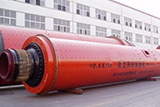
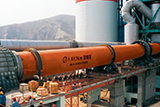
2. Drum Dryer: This equipment utilizes the rotation of the drum to thoroughly dry the sludge in a high-temperature environment. It has a large processing capacity and is suitable for large-scale sludge treatment needs.
3. Flue Gas Waste Heat Low-Temperature Drying Equipment: By utilizing the waste heat from flue gas emitted by power plants, cement plants, and waste incineration plants, this equipment dries sludge, overcoming the "energy consumption bottleneck" and significantly reducing the cost of sludge disposal.
二. Advantages of Sludge Dryers
1. Reduced Sludge Volume: Through drying treatment, the volume of sludge can be significantly reduced, thereby reducing subsequent transportation and treatment costs. The dried sludge is easy to store and use, providing convenience for urban environmental management.
2. Recycling and Reuse: Sludge treated by drying not only has a smaller volume but also has a high calorific value and can be recycled as fuel. At the same time, after certain treatment, the sludge can be converted into organic fertilizer and applied to agriculture, providing nutrients to the soil.
3. Energy Saving and Environmental Protection: Modern sludge dryers adopt advanced heat energy recovery technology, which can effectively reduce energy consumption. During the drying process, the optimal contact method between hot air and sludge is used to maximize heat exchange efficiency and reduce energy consumption.
4. Improved Processing Efficiency: The automatic control system of the sludge dryer can accurately control various parameters during the drying process, ensuring the efficiency of sludge treatment and reducing the uncertainty caused by human operation.
三. Application Fields of Sludge Dryers
Sludge dryers have a wide range of applications, covering the following main areas:
1. Municipal Wastewater Treatment Plants: The large amount of sludge generated during municipal wastewater treatment needs to be effectively treated to reduce environmental pollution. Sludge dryers can dry this sludge, reducing the burden of subsequent processing.
2. Industrial Wastewater Treatment: Many industrial wastewaters contain a large amount of sludge. Using sludge dryers not only treats the sludge but also allows for the recovery of valuable components, reducing resource waste.
3. Agricultural Production: Dried sludge can be used as organic fertilizer, returning to the soil to improve soil fertility and structure, providing a stable source of nutrients for agricultural production.
4. Animal Husbandry: In animal husbandry, dried sludge can be used as a feed additive to improve the nutritional content of feed, promoting the growth and development of livestock.

四. Selecting the Right Sludge Dryer
When choosing a sludge dryer, the following factors should be considered:
1. Sludge Characteristics: Different types of sludge have different characteristics, such as moisture content, composition, and particle size, which directly affect the selection and performance of the dryer. Therefore, it is necessary to choose appropriate drying equipment based on the specific sludge characteristics.
2. Processing Capacity: Based on the amount of sludge generated and the processing requirements, select a dryer with appropriate processing capacity to ensure that the drying equipment can meet the real-time needs of sludge treatment.
3. Energy Efficiency: Choosing a sludge dryer that utilizes energy-saving technologies and heat recovery systems can effectively reduce subsequent operating costs and improve overall economic efficiency.
4. Maintenance and Service: Equipment maintenance and service are also crucial factors in choosing a dryer. Suppliers with excellent after-sales service can provide more efficient technical support and maintenance services during later use.
五. Future Development Trends of Sludge Dryers
With the increasing environmental awareness and technological advancements, sludge dryers will develop towards greater intelligence and climate adaptability in the future. More sludge treatment equipment with low energy consumption and high resource recovery is expected to emerge. Simultaneously, based on the concept of Industry 4.0, the intelligent control systems of sludge dryers will further improve the efficiency and safety of equipment operation.
Overall, the importance of sludge dryers in wastewater treatment and environmental protection is increasing. Their efficient sludge treatment capabilities not only effectively reduce sludge volume and lower treatment costs but also provide broad possibilities for resource recycling. With continuous technological advancements, sludge dryers will play a greater role in contributing to environmental protection and sustainable development.
Pre: Are you familiar with the co-processing of solid waste containing hazardous elements in cement kilns
Next: Great Wall 300,000-Ton-Per-Year Mineral Powder Line Sets Overseas Benchmark